
Subscribe to the podcast!



The Strategic CHRO: Connecting Talent, Data and Business
The role of the Chief Human Resources Officer has expanded well beyond traditional HR responsibilities.
A strategic CHRO understands how the organization creates value and how talent, culture and leadership affect its ability to deliver. The role requires business judgment, people insight, comfort with data and the communication skills to influence decisions across the executive team.
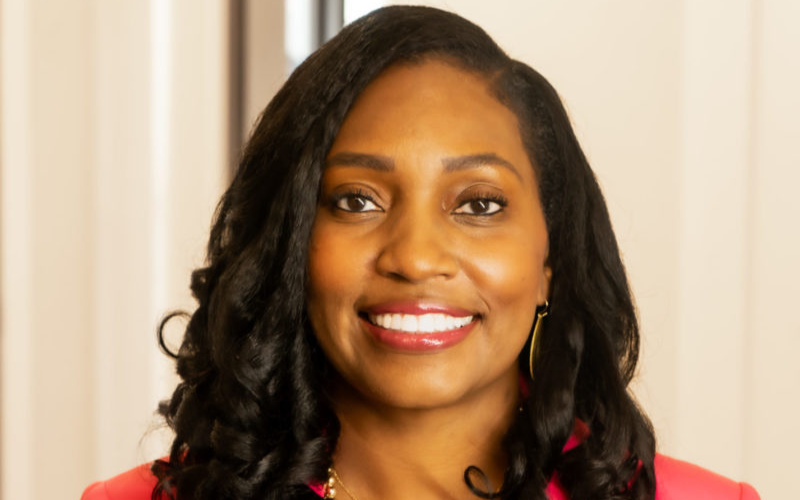
In this episode of What’s Your Story?, Sally Williamson speaks with experienced HR leader Kim Sullivan about the changing role of the CHRO. Their conversation explores employee experience, workplace strategy, people analytics, organizational culture and the capabilities HR leaders need to become trusted advisors to the CEO and senior leadership team.
The episode was recorded during a period of significant workplace disruption. Although some of the immediate circumstances have changed, the central leadership question remains: How can CHROs connect people decisions to business outcomes?
We all faced new dynamics and uncharted waters as managers and leaders navigating a pandemic, social unrest and different ways of working. But if you considered the corporate role that felt the most impact, the CHRO, Chief Human Resources Officer, would rank high in terms of the toughest leadership positions over the last few years.
And that’s why this episode is so timely. In this episode, Sally talks to Kim Sullivan, who has been an HR leader for three global companies, and a CHRO for the last six years. Kim guided HR teams pre and post-pandemic, giving her invaluable insight on what’s changing and what lies ahead.
More about Kim Sullivan
With more than 20 years in the HR industry, Kim Sullivan has had an extensive career, including a mix of strong business acumen and the desire to develop people. She has experience modernizing the People Solutions (HR) function by implementing new HR service delivery models. She holds a master’s degree in Human Resources Development from the University of Houston and a bachelor’s degree in Speech Communications and Organizational Psychology from Texas Southern University.
Show Notes
- CHRO – Chief Human Resources Officer
- What has been the change of the CHRO role over the years?
- Typically tucked under the CFO
- There is a heightened need for the CHRO role to be at the table helping to make decisions that support the stratic outcomes for the business
- CHRO in the Global pandemic
- Continued to reflect on the overwhelming impact on the world
- Defining digital transformation
- Moving people from worksites to their homes in three weeks or less
- Keeping the lights on
- CHRO continues to learn from March 2020
- Essential skills to be a CHRO
- Understanding the business and how to business makes money
- How to solve problems that positively impact the organization’s business goal
- Understanding what are the people implications and cultural implications
- Must be talent savvy, biz savvy, data-savvy – how do you use data to make decisions
- Coaching and advising the leadership team
- Engage with leadership and with the frontline staff
- Employee Experience – everything a worker learns, does, sees, and feels at each stage of the employee lifecycle.
- How do companies define reset?
- Hybrid/ Virtual work
- Plan what the “return to the office” looks like for their organization dependent on the organization and employees
- People value flexibility – What is the why, and when should they come together? What happens when they get there?
- Define what roles should be remote, in-person, or hybrid.
- Mid to senior career-level workers feel more productive and focused at home; recent graduates want more in-person networking opportunities but do not want to be in the office every day.
- How to define what is valued as work-life integration?
- Collect data to find what is the desired work style
- Use that data to establish the workplace strategy
- Leadership is culture; culture is leadership.
- Be deliberate about the culture you want to create and who you are as a company.
- Clearly define your values and be intentional about when you come together.
- Define what your employee’s role is, make sure to check in with them, and have systems in place to support them
- Mirror what you say you do as an organization at all levels of the company
- Management needs to be international and consistent
- Stay visible even in remote settings
- Make sure you show up with these values to attract outsiders to your organization
- If you are a people manager today and you are not equally focused on the business and the well-being of your people, you are not doing your job
- The Great Resignation – An ongoing economic trend in which employees have voluntarily resigned from their jobs in large numbers beginning in early 2021 due to low wages, cost of living increase, career advancement, seeking better benefits, and remote work.
- What are essential skills for new leaders?
- How to have fun
- Encourage employees to take time off
- Not celebrating grind culture
- Demonstrating that leaders care about employees
- Prioritizing resources to make sure employees are taken care of. Want employees to be engaged and happy
- DEI – Diversity, Equity, and Inclusion
- Employees need to feel included and represented in the workspace
- Is there a talent shortage?
- Value proposition – making people interested in working with your company
- Glassdoor – www.glassdoor.com
- Gig Economy – a labor market characterized by the prevalence of short-term contracts or freelance work as opposed to permanent jobs: Fiver – www.fiverr.com
- How to factor these desires into our work models?
- Determine which jobs can be a gig vs. remote vs. in person
- Work on attracting different nontraditional talent
- Focus on skills, not just job level
- Asynchronous communication- happens over a period of time—rather than immediately.
- Synchronous communication- takes place in real-time.
- Successful organizations invest in talent.
- Company Culture- describes the shared values, goals, attitudes, and practices that characterize an organization
- What is leadership’s role in Company Culture?
- Set the vision
- Clearly define what their desire is for the culture
- Ensure their leadership team has leaders ready to model the behaviors that support your desired culture – a senior leader needs to hold their team accountable
- CHRO role in Company Culture
- Partner with the senior team, and articulate the culture will be
- Help to operationalize the culture through people processes or operational process
- Coaching and being an advisor to the CEO
- Own the measurement of an organization
- People analytics and insights on what is going well vs. not
What Is a Strategic CHRO?
A strategic CHRO connects talent and culture decisions to the organization’s priorities.
The role involves more than managing HR operations, policies or programs. Strategic HR leaders help the executive team understand how workforce capabilities, organizational design and employee experience influence performance.
A strategic CHRO may advise on:
- Leadership capability
- Workforce planning
- Organizational design
- Talent development
- Succession planning
- Employee experience
- Culture and behavior
- People analytics
- Workplace strategy
- Change communication
The CHRO does not bring only the people perspective to the conversation. The strongest HR leaders understand both the people implications and the business implications of a decision.
How the Role of the CHRO Has Evolved
HR leaders have always managed important organizational responsibilities. What has changed is the level of strategic involvement expected from the role.
Workforce decisions now intersect directly with business transformation, technology, reputation, operational resilience and growth. Senior leaders need a CHRO who can identify what a strategy will require from people and where the organization may lack the skills, leadership or capacity to deliver it.
That requires the CHRO to participate early in strategic discussions.
If HR becomes involved only after a decision has been made, the function is left to implement a people plan around assumptions it did not help examine. A strategic CHRO brings workforce insight into the decision before the organization commits to the direction.
The Capabilities Strategic HR Leaders Need
Business Acumen
A CHRO must understand how the organization creates value.
That includes the business model, customers, competitive pressures, operating priorities and financial realities. Without that context, talent recommendations may sound disconnected from what other executives are trying to accomplish.
Business acumen allows HR leaders to explain how a people investment supports growth, reduces risk or strengthens execution.
Talent Insight
Strategic CHROs look beyond current headcount.
They consider which capabilities the organization will need, where those skills exist and how roles may change. They also help leaders distinguish between an immediate staffing issue and a longer-term talent challenge.
Talent insight connects hiring, development, retention and succession rather than treating them as separate activities.
Data Fluency
People analytics can help leaders recognize patterns in retention, performance, engagement, mobility and workforce capability.
But data does not create a decision by itself.
A CHRO must interpret what the information means, understand its limitations and connect it to a relevant business question. The executive team rarely needs every available metric. It needs the few insights that clarify a risk, opportunity or choice.
Executive Communication
A strategic recommendation has limited value if the CHRO cannot communicate it with clarity and influence.
HR leaders must explain complex people issues to executives who bring different priorities and levels of understanding. They need to organize data into a clear storyline, anticipate questions and connect the recommendation to outcomes the leadership team values.
The CHRO also communicates sensitive subjects involving employees, culture and leadership behavior. That requires credibility, judgment and the ability to remain steady in difficult conversations.
Use People Analytics to Support Better Decisions
People analytics should begin with the decision the organization needs to make.
A dashboard full of employee data may be informative without being actionable. The CHRO adds strategic value by identifying which information matters and explaining its implications.
For example:
- Where is critical talent leaving?
- Which capabilities are becoming harder to find?
- Where are leadership gaps affecting performance?
- Which teams have limited succession depth?
- How does employee experience differ across roles or locations?
- Which workforce investments are producing meaningful change?
The strongest people analytics communication connects the data to a recommendation. It explains what leaders should notice, why it matters and what they should consider doing next.
Connect Employee Experience to Business Strategy
Employee experience includes what people encounter throughout their relationship with the organization, from recruiting and onboarding through development, advancement and departure.
A strategic CHRO examines where that experience supports or undermines the company’s objectives.
If the organization depends on innovation, employees need conditions that support collaboration and contribution. If growth requires stronger people managers, the company must develop the communication skills those managers need. If retention is a priority, employees need credible conversations about feedback, expectations and career development.
Employee experience should not be discussed only as a satisfaction measure. It should be connected to how effectively people can contribute to the work.
The CHRO’s Role in Organizational Culture
Culture is shaped by what leaders communicate, model, reward and tolerate.
The CHRO can help define the desired culture and build people practices that support it. But HR cannot create culture independently. Senior leaders and managers reinforce it through their everyday choices.
The CHRO’s role includes helping leadership answer:
- Which behaviors support our strategy?
- What do employees currently experience?
- Where do leadership actions contradict stated values?
- How should managers communicate expectations?
- What behavior will be recognized?
- Where is accountability missing?
- What must change in systems or processes?
A culture message becomes credible when employees can see it reflected in decisions.
Translate Flexibility into Clear Workplace Expectations
The workplace debate should not be reduced to whether employees prefer remote or in-person work.
The more useful questions concern the work itself:
- Which activities require people to be together?
- What does effective collaboration look like?
- When does location affect customer or operational needs?
- How will performance be evaluated?
- What flexibility can be offered consistently?
- What decisions belong to the organization, team or individual?
- How will leaders explain the reasoning?
The CHRO can help establish clear principles while allowing appropriate differences across roles and business needs.
Managers then need communication tools to translate those principles into specific expectations.
How CHROs Influence the Executive Team
Influence begins with relevance.
A CHRO is more likely to shape an executive decision when the recommendation connects people insights to the goals and concerns already receiving leadership attention.
Instead of beginning with an HR program, begin with the business issue:
- Growth is outpacing leadership capacity.
- A transformation requires capabilities the organization has not developed.
- Inconsistent management practices are affecting retention.
- The succession pipeline is too narrow for the level of risk.
- Employees do not understand how strategic changes affect their work.
Then use talent insight and data to clarify the issue and recommend a path forward.
Strengthen the Communication Behind People Strategy
Strategic HR leadership requires more than identifying the right talent priorities. CHROs must communicate those priorities in ways that influence executives, guide managers and create clarity for employees.
SW&A helps HR leaders and leadership teams organize complex messages, communicate people data and navigate high-stakes conversations with greater confidence and impact.
Like what you hear? Hear more episodes like this on the What’s Your Story podcast page!